How to Prove Smoke Damage in a Commercial Fire Damage Insurance Claim
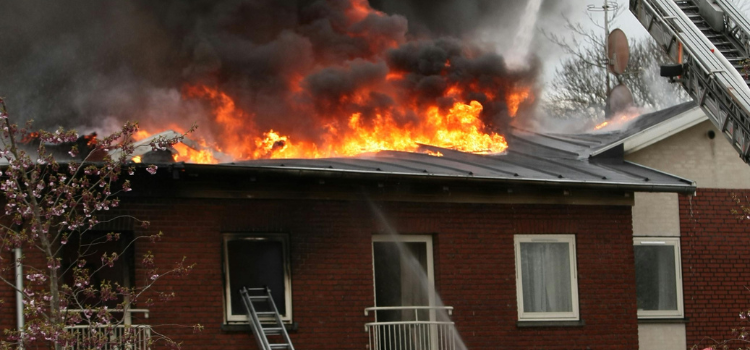
When a fire impacts your business, visible flames are often only part of the loss. Smoke can travel far beyond the burn area, contaminating walls, ceilings, inventory, HVAC systems, electronics, and structural components.
Properly proving this damage is critical to receiving full compensation in a commercial fire damage insurance claim.
Unfortunately, many smoke damage claims are underpaid because contamination is underestimated, poorly documented, or minimized by insurance carriers. This is where working with a licensed public adjuster becomes essential. A public adjuster represents your business — not the insurance company — and ensures every category of smoke-related damage is fully evaluated and properly presented.
This guide explains how to document, prove, and maximize recovery for a commercial smoke damage claim — and how a public adjuster supports each step.
Why Smoke Damage Is Often Underpaid in Commercial Claims
Insurance carriers often focus on visible fire damage while minimizing secondary smoke losses. However, smoke can:
Travel through ductwork and ventilation systems
Embed into porous materials like drywall, insulation, and upholstery
Corrode electronics and machinery due to acidic residue
Contaminate inventory and raw materials
Cause persistent odor that makes property unusable
Because smoke damage is sometimes invisible or progressive, insurers may argue that basic cleaning is sufficient rather than approving full replacement.
A public adjuster challenges these assumptions by conducting an independent damage assessment, documenting hidden contamination, and presenting technical evidence that supports repair or replacement where necessary.
Step 1: Document All Visible and Hidden Smoke Damage
Thorough documentation is the foundation of a successful claim.
Photograph and Video Everything
Capture:
Soot deposits on walls and ceilings
Smoke staining
Damaged inventory
HVAC contamination
Electrical panels and machinery
Take wide-angle and close-up images. Time-stamped documentation strengthens credibility.
A public adjuster coordinates and organizes this evidence so nothing is overlooked and all documentation meets insurer requirements.
Obtain Air Quality and Soot Testing
Professional environmental testing can:
Confirm smoke particulate presence
Measure contamination levels
Identify corrosive residue damage
Independent testing becomes especially important if the insurer disputes the extent of contamination. A public adjuster can retain qualified environmental specialists and ensure reports clearly support the scope of loss.
Step 2: Prove Business Interruption from Smoke Damage
Even if flames were limited, smoke damage alone can force a shutdown.
You must document:
Lost revenue
Extra expenses (temporary relocation, equipment rental)
Payroll continuation costs
Supply chain disruption
Many commercial policies include business interruption coverage, but insurers require detailed financial proof.
A public adjuster prepares and presents these calculations, ensuring projected revenue losses and extra expenses are accurately documented and fully supported under policy terms.
Step 3: Demonstrate HVAC and Mechanical System Contamination
Smoke frequently enters HVAC systems and circulates throughout the property. Insurers sometimes approve duct cleaning when full system replacement may be required.
To properly prove contamination:
Obtain mechanical inspection reports
Document soot inside ductwork
Show corrosion on coils and electrical components
Provide manufacturer guidelines regarding contamination standards
Electronics and machinery exposed to smoke may fail months later due to acidic residue. A public adjuster works with mechanical experts to demonstrate long-term risk and justify appropriate replacement when cleaning is insufficient.
Step 4: Inventory Loss and Content Damage Documentation
A strong smoke damage claim requires a detailed inventory of affected contents.
This includes:
Creating a complete list of damaged items
Providing purchase records when available
Demonstrating contamination impact (not just visible burn damage)
Obtaining repair versus replacement comparisons
In restaurants, warehouses, retail stores, and manufacturing facilities, smoke can contaminate food products, textiles, packaging, and raw materials—even if they appear intact.
A public adjuster prepares a comprehensive contents schedule and ensures proper valuation, depreciation accuracy, and replacement cost recovery.
Step 5: Analyze Policy Language Carefully
Not all policies define smoke damage the same way. Key provisions to review include:
Direct physical loss definitions
Pollution exclusions
Business interruption triggers
Ordinance and law coverage
Extra expense coverage
Insurance carriers may interpret policy language narrowly to reduce payouts. A public adjuster analyzes your policy to ensure coverage is properly applied and misinterpretations are challenged.
Common Tactics Insurance Companies Use to Reduce Smoke Claims
Business owners frequently encounter:
Approval for minimal surface cleaning only
Denial of full material replacement
Underestimation of business interruption
Depreciation miscalculations
Payment delays
A public adjuster negotiates directly with the insurance carrier, responds to requests for information, challenges low estimates, and works to maximize the settlement based on documented damages and policy benefits.
Why Hiring a Public Adjuster Strengthens Your Claim
Unlike the insurance company’s adjuster, a public adjuster works exclusively for the policyholder.
They:
Conduct independent damage inspections
Coordinate testing and expert reports
Prepare detailed repair and replacement estimates
Calculate business interruption losses
Interpret policy language
Negotiate aggressively with the insurer
For complex commercial losses, professional representation often results in a more comprehensive claim presentation and improved financial recovery.
Industries Most Affected by Commercial Smoke Damage
Office Buildings
Retail Stores
Warehouses
Restaurants
Hotels
Manufacturing Facilities
Multi-Family Properties
Each property type presents unique documentation and valuation challenges. A public adjuster tailors the claim strategy to the specific industry and operational impact.
How to Strengthen Your Commercial Smoke Damage Claim
To improve your outcome:
Notify your carrier immediately
Mitigate further damage
Avoid discarding damaged property prematurely
Keep all receipts for emergency expenses
Engage a public adjuster early in the process
The earlier professional representation is involved, the stronger your claim position becomes.
Final Thoughts
Smoke damage is often more destructive — and more expensive — than the fire itself. Without detailed documentation, expert testing, financial analysis, and policy interpretation, businesses risk receiving only partial compensation.
A properly prepared commercial smoke damage insurance claim is not just about repairing property — it’s about protecting your company’s financial stability.
Working with a qualified public adjuster ensures your smoke damage claim is fully evaluated, properly presented, and negotiated to pursue the maximum settlement available under your policy.
Tags: Commercial Fire Damage Insurance Claim, Smoke Damage Claim, fire damage claim
Categories
- Arizona Public Adjusters
- COVID-19 Corona Virus
- Insurance Adjuster
- Insurance Coverage
- Insurance Reimbursement
- Uncategorized
- All Blogs
- Flood Insurance Covered Policy
- Insurance Industry
- Insurance Claim
- Public Adjuster
- Commercial Property Claim
- Denied Claim
- Fire Claim Adjusters
- Best Claim Adjusters in Ok
- Natural Disaster Claim
Subscribe to Blog
Videos