What Are Additional Living Expenses (ALE)? A Homeowner’s Guide to Insurance Coverage After Property Damage
Understanding Additional Living Expenses After a Property Loss
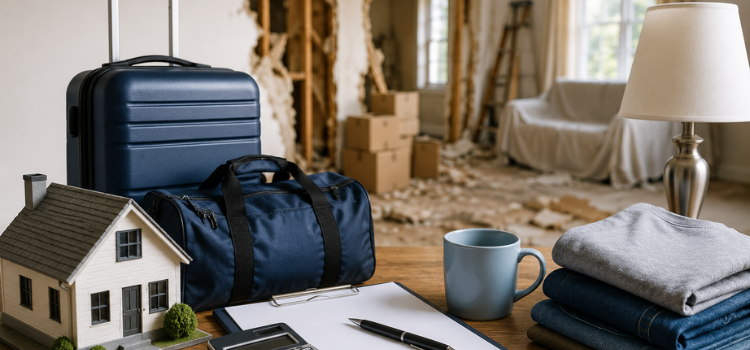
When a fire, tornado, storm, water damage event, or other covered loss makes your home temporarily uninhabitable, you may need to relocate while repairs are being completed. During this stressful time, your homeowners insurance policy may provide coverage for Additional Living Expenses (ALE), also known as Loss of Use coverage.
Understanding how ALE coverage works can help you avoid costly mistakes, maximize available benefits, and ensure your family has appropriate temporary housing during the restoration process.
What Are Additional Living Expenses (ALE)?
Additional Living Expenses (ALE) are insurance benefits designed to cover the reasonable extra costs you incur when a covered property loss forces you to live somewhere other than your home during repairs.
ALE coverage helps maintain your normal standard of living while your property is being restored.
Depending on your policy and circumstances, ALE coverage may help pay for:
1. Hotel accommodations
2. Temporary rental housing
3. Increased food and meal expenses
4. Utility expenses
5. Gas and transportation costs
6. Laundry services
7. Pet boarding expenses
8. Lawn maintenance
9. Furniture rental
10. Other necessary temporary living expenses
Because every insurance policy is different, coverage limits and eligible expenses may vary.
Key Takeaways About ALE Coverage
1. ALE stands for Additional Living Expenses.
2. ALE is commonly included under the Loss of Use section of a homeowners insurance policy.
3. Coverage is designed to reimburse additional costs caused by a covered loss.
4. Most ALE benefits require expenses to be incurred before reimbursement.
5. Temporary housing must generally be reasonable and comparable to your pre-loss living situation.
6. Keeping receipts and documentation is critical for reimbursement.
7. ALE benefits may end once your home is reasonably livable again.
What Does Additional Living Expenses Coverage Pay For?
Additional Living Expenses (ALE) coverage may help pay for a wide range of temporary living costs after a covered property loss. Depending on your insurance policy, ALE may cover hotel stays, temporary rental housing, increased food expenses, utility costs, laundry services, gas and transportation expenses, and pet boarding fees. In some situations, homeowners may also receive reimbursement for rental furniture or lawn maintenance if those expenses are necessary during the restoration period. While many of these costs are commonly covered, reimbursement ultimately depends on your policy language, coverage limits, and whether theexpenses are considered reasonable and necessary by the insurance company.
Understanding Cost-Incurred Coverage
One of the most important aspects of ALE coverage is understanding that it is generally considered a cost-incurred benefit.
In many situations, insurance companies reimburse expenses after they have been paid by the policyholder.
For example, if you stay in a hotel after a fire loss, purchase meals because you no longer have access to a kitchen, or rent temporary furniture, you will often need to submit receipts before receiving reimbursement.
For this reason, it is extremely important to:
1. Save all receipts
2. Maintain organized records
3. Document expenses carefully
4. Communicate regularly with your insurance company
Reasonable and Necessary Expenses
Insurance companies generally reimburse expenses that are considered reasonable and necessary under the circumstances.
For example, if a fire damages your home and you need emergency housing, staying in a nearby mid-range hotel would likely be considered reasonable. However, selecting luxury accommodations that significantly exceed your previous standard of living may not be approved unless no reasonable alternatives are available.
The same principle applies to rental housing.
Your temporary living arrangements should generally be comparable to your home's size, location, and rental value.
Understanding Fair Rental Value (FRV)
Insurance carriers frequently evaluate temporary housing costs using Fair Rental Value (FRV).
Fair Rental Value refers to the amount your home would reasonably rent for in the local market.
For example, if your home would typically rent for approximately $4,000 per month, the insurance company may approve temporary housing within a similar rental range.
This evaluation helps determine whether housing expenses are reasonable under the policy.
Before signing a lease agreement or making long-term housing commitments, homeowners should discuss the arrangement with their insurance company to avoid reimbursement disputes.
Food and Meal Reimbursement Explained
Many homeowners are surprised to learn that ALE coverage may reimburse increased food expenses.
When a family is displaced and temporarily living in a hotel without a kitchen, restaurant meals often cost more than normal grocery spending.
Insurance companies generally reimburse the difference between your normal food expenses and your increased post-loss expenses.
Example
Before the loss:
1. Weekly grocery spending: $100
After the loss:
1. Weekly food spending: $150
Potential reimbursement:
1. Additional expense: $50
In this example, the insurance company may reimburse the additional $50 expense caused by the covered loss.
Keeping meal receipts is essential when seeking reimbursement.
Understanding the Period of Restoration
Another important ALE concept is the Period of Restoration.
The Period of Restoration refers to the reasonable amount of time necessary to repair your home and make it livable again.
This timeframe directly impacts how long ALE benefits may be available.
For example, if you sign a 12-month lease after a fire loss but your home repairs are completed in eight months, your insurance company may stop reimbursing ALE expenses once the property becomes reasonably habitable.
However, you may still be responsible for the remaining lease payments.
Because of this risk, homeowners should carefully evaluate lease terms before entering long-term rental agreements.
Delays and ALE Extensions
Property repairs do not always proceed according to schedule.
Common causes of delays include:
1. Contractor scheduling issues
2. Material shortages
3. Permit delays
4. Inspection requirements
5. Supplemental damage discoveries
6. Weather-related interruptions
When delays occur, policyholders should maintain communication with their insurance company and provide supporting documentation.
In some situations, documented delays may support an extension of ALE benefits.
Common Mistakes Homeowners Make With ALE Claims
Many policyholders unintentionally reduce their reimbursement by making avoidable mistakes.
Common ALE claim mistakes include:
1. Failing to save receipts
2. Signing long-term leases too quickly
3. Choosing housing without insurer approval
4. Not documenting increased expenses
5. Missing reimbursement deadlines
6. Assuming all expenses are automatically covered
7. Failing to communicate repair delays
Avoiding these mistakes can significantly improve the claims process.
How Brown O’Haver Helps With Additional Living Expense Claims
Navigating an ALE claim can be challenging, especially while managing property repairs and family relocation.
Brown O’Haver Public Adjusters helps policyholders by:
1. Reviewing insurance policy language
2. Identifying available ALE benefits
3. Documenting reimbursable expenses
4. Coordinating temporary housing options
5. Communicating with insurance companies
6. Supporting reimbursement requests
7. Helping maximize available claim benefits
Our team assists homeowners throughout Oklahoma, including Oklahoma City, Tulsa, Norman, Edmond, Moore, Yukon, and surrounding communities.
Frequently Asked Questions About Additional Living Expenses
How long does ALE coverage last?
ALE coverage generally lasts until your home is repaired, becomes reasonably livable again, or policy limits are reached.
Does homeowners insurance pay for a hotel after a fire?
In many cases, yes. Hotel expenses are commonly covered under Additional Living Expenses coverage when a covered loss makes the home uninhabitable.
Does ALE cover temporary rental housing?
Most policies provide coverage for reasonable temporary housing that is comparable to your normal living situation.
Does ALE cover food expenses?
ALE may reimburse increased food costs that result from being displaced from your home.
Does ALE cover furniture rental?
Some policies may cover furniture rental when it is necessary for temporary housing arrangements.
What receipts should I keep?
Save receipts for hotels, meals, transportation, laundry, pet boarding, utilities, furniture rental, and any other expenses related to your temporary living situation.
Final Thoughts
Additional Living Expenses coverage can provide critical financial support after a fire, storm, water damage event, or other covered property loss.
Understanding what expenses may be covered, how reimbursement works, and how the restoration timeline affects benefits can help you make informed decisions throughout the claims process.
If you have questions about your property damage claim, Loss of Use coverage, temporary housing insurance coverage, or Additional Living Expenses reimbursement, Brown O’Haver Public Adjusters can help you understand your options and navigate the claims process.
Tags: property insurance claim, homeowner property insurance claim, damage property claim, Additional Living Expenses, Insurance Coverage,
Categories
- Arizona Public Adjusters
- COVID-19 Corona Virus
- Insurance Adjuster
- Insurance Coverage
- Insurance Reimbursement
- Uncategorized
- All Blogs
- Flood Insurance Covered Policy
- Insurance Industry
- Insurance Claim
- Public Adjuster
- Commercial Property Claim
- Denied Claim
- Fire Claim Adjusters
- Best Claim Adjusters in Ok
- Natural Disaster Claim
Subscribe to Blog
Videos