Why Restoration Companies Won't Pack Out or Clean Consumables During an Insurance Claim
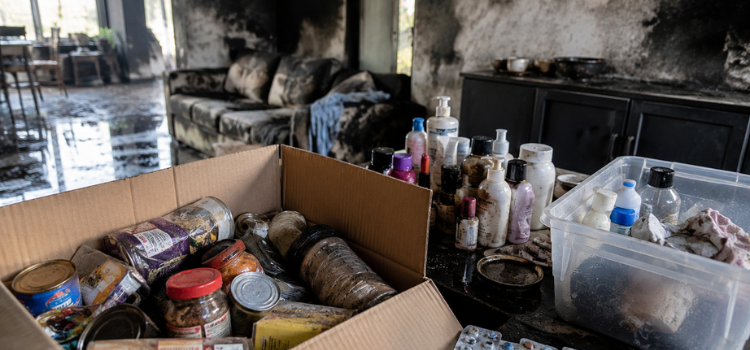
Restoration companies generally do not pack out, clean, or return consumable items after a fire, water loss, storm, or other covered property damage because these products may be contaminated by smoke, soot, water, mold, bacteria, or chemicals. Since restoration contractors cannot guarantee the safety of food, medications, cosmetics, and similar products, they are typically classified as non-restorable items and documented as part of the insurance claim.
Understanding Consumables in an Insurance Claim
After a fire, water loss, storm, or other covered property damage event, homeowners are often surprised to learn that restoration companies will not clean or return certain personal property items. While this may initially seem wasteful, the decision is based on health regulations, industry standards, liability concerns, and consumer safety.
Consumables are products that are intended to be eaten, ingested, applied to the body, or otherwise used in a manner that could directly affect a person's health and well-being.
Common examples of consumables include:
Food and beverages
Vitamins and dietary supplements
Prescription medications
Over-the-counter medications
Cosmetics and makeup
Toiletries and personal care products
Baby formula and baby food
Pet food and treats
Cleaning products
Spices and pantry items
These items are often overlooked during the insurance claim process, yet they can represent a substantial portion of a homeowner's personal property loss.
Why Restoration Companies Won't Restore Consumables
1. Health and Safety Risks
Even when packaging appears intact, contaminants can penetrate products after a property loss. Smoke particles, soot residue, firefighting chemicals, water intrusion, mold spores, bacteria, and airborne contaminants may affect consumable items in ways that are not visible to the naked eye.
For example:
Smoke odors can infiltrate packaged foods.
Water damage can introduce bacteria and mold.
Fire suppression chemicals can contaminate surfaces and packaging.
Heat exposure can alter medications and nutritional products.
Cosmetics and toiletries can become unsafe despite appearing undamaged.
Because these products are consumed or applied directly to the body, restoration companies cannot safely verify that they remain uncontaminated after a loss.
2. Liability Concerns
Restoration contractors face significant liability risks if contaminated consumables are returned to a homeowner and later cause illness, injury, or adverse health effects.
Unlike furniture, electronics, or structural components, consumables cannot be reliably tested or certified on a large scale during a restoration project. If a restored item later proves unsafe, the contractor may face legal and financial consequences.
To protect homeowners and reduce liability exposure, restoration companies typically classify consumables as non-salvageable.
3. Industry Standards and Best Practices
Professional restoration companies follow established industry guidelines designed to protect public health and ensure safe restoration practices.
Industry standards generally recommend discarding consumable products that may have been exposed to:
Smoke contamination
Water intrusion
Mold growth
Chemical residue
Excessive heat
Unsanitary conditions
These standards help ensure that potentially compromised products do not re-enter a home environment where they could pose health risks.
4. Practical Restoration Limitations
Unlike furniture, electronics, or building materials, consumable items are often impossible to restore effectively.
Even when packaging appears sealed, there is often no practical or cost-effective method to determine whether contamination has occurred. The cost of testing individual products frequently exceeds the value of the items themselves.
As a result, replacement is generally considered the safest and most reasonable solution.
Are Consumables Covered by Homeowners Insurance?
Many homeowners mistakenly assume that damaged food, medications, cosmetics, and household supplies are automatically excluded from insurance coverage.
In reality, many homeowners insurance policies provide coverage for damaged personal property when the loss results from a covered peril such as:
Fire damage
Smoke damage
Water damage
Burst pipes
Storm damage
Wind damage
Tornado damage
Other covered property losses
Coverage varies by policy, deductible, exclusions, and claim circumstances. Proper documentation is essential to ensure these losses are included in the claim evaluation process.
Why Documentation Matters
One of the most common mistakes homeowners make is disposing of damaged consumables before documenting them.
Before discarding affected items:
Photograph all damaged products.
Create a detailed inventory.
Record quantities and estimated values.
Save receipts whenever available.
Document brand names and package sizes.
Keep damaged items until your insurance carrier or adjuster advises otherwise.
Thorough documentation creates a clear record of your loss and helps support a more accurate personal property insurance claim.
Consumables Can Add Up Quickly
While individual items may seem insignificant, the combined value of consumables throughout a home can be substantial.
Consider the replacement costs of:
Refrigerator and freezer contents
Pantry inventory
Medications
Vitamins and supplements
Personal care products
Cosmetics
Pet food and supplies
Household cleaning products
Many policyholders underestimate these losses, resulting in insurance settlements that fail to reflect the full value of their damaged personal property.
How a Public Adjuster Can Help
Preparing a complete contents inventory after a property loss can be overwhelming, especially when dealing with extensive damage.
A public adjuster represents the policyholder and can assist with:
Personal property inventories
Consumable loss documentation
Policy review and coverage analysis
Damage assessment
Claim preparation
Insurance claim negotiations
Identifying overlooked losses
A properly documented claim helps ensure all covered losses are presented accurately and evaluated fairly.
Frequently Asked Questions
Why won't restoration companies clean food after a fire?
Food products may be contaminated by smoke, soot, heat exposure, or firefighting chemicals. Because safety cannot be guaranteed, restoration companies typically recommend replacement rather than restoration.
Can medications be included in an insurance claim?
In many cases, yes. Prescription and over-the-counter medications damaged by a covered loss may qualify for reimbursement depending on policy terms and documentation.
Are cosmetics and toiletries considered personal property?
Yes. Cosmetics, personal care products, toiletries, and similar items are generally considered personal property and may be included in a covered insurance claim.
Should I throw damaged consumables away immediately?
Not until they have been documented. Photograph and inventory the items first, then follow guidance from your insurance carrier, public adjuster, or restoration contractor.
Can a public adjuster help with personal property claims?
Yes. Public adjusters help policyholders document losses, prepare inventories, interpret policy language, and support claim negotiations.
Final Thoughts
Restoration companies do not refuse to pack out or clean consumable items simply to reduce workload. Their decision is based on consumer safety, health regulations, liability concerns, and recognized restoration industry standards.
Although food, medications, cosmetics, supplements, pet food, and household products may seem minor individually, they often represent a significant portion of a personal property insurance claim. Proper documentation, inventory preparation, and claim management can help ensure these losses are accurately reflected in your final settlement.
If you've experienced fire damage, water damage, storm damage, smoke damage, or another covered property loss, take time to document all damaged consumables before disposal. Doing so may help maximize the value of your insurance claim and ensure no covered losses are overlooked.
Tags: Consumables Insurance Claim, Personal Property Claim, Contents Insurance Claim, Homeowners Insurance, Property Damage Claim, Insurance Claim Documentation, Contents Inventory, Personal Property Inventory, Public Adjuster, Insurance Claim Help, Fire Damage Claim, Smoke Damage, Water Damage Claim, Storm Damage Claim, Restoration Company
Categories
- Arizona Public Adjusters
- COVID-19 Corona Virus
- Insurance Adjuster
- Insurance Coverage
- Insurance Reimbursement
- Uncategorized
- All Blogs
- Flood Insurance Covered Policy
- Insurance Industry
- Insurance Claim
- Public Adjuster
- Commercial Property Claim
- Denied Claim
- Fire Claim Adjusters
- Best Claim Adjusters in Ok
- Natural Disaster Claim
Subscribe to Blog
Videos